Prepaid hotel vouchers or open value travel cards at 400 000 + hotels worldwide – 4 years validity
-
 English
ENG
English
ENG
 NOR
NOR

Oslo
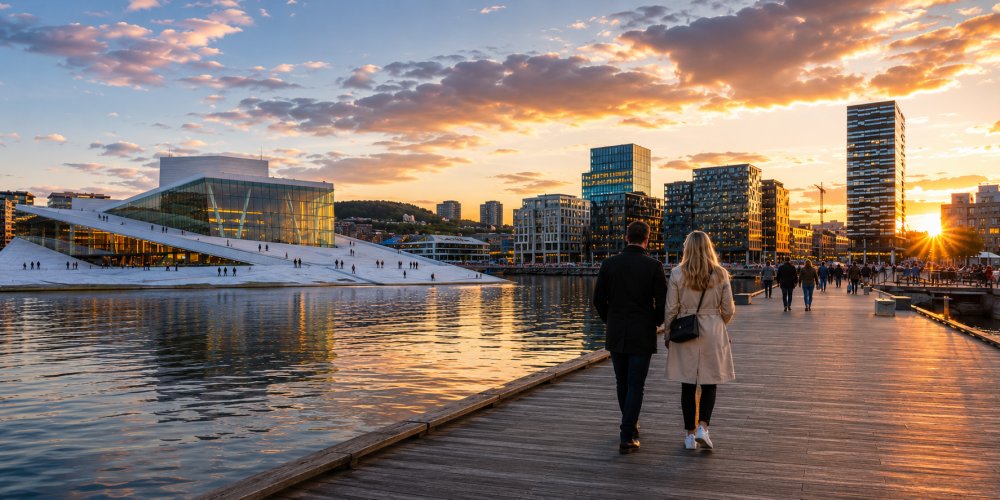
“Oslo is where Nordic city life meets the water, with modern architecture, island views, museums, saunas and peaceful moments by the Oslofjord.”
A Nordic Capital Between City, Water and Forest
Oslo is one of Europe’s most distinctive city break destinations. It combines the feeling of a modern Nordic capital with easy access to the Oslofjord waterfront, nearby islands, green forests, saunas, museums, restaurants and stylish harbour areas.
The city is ideal for travellers who want a relaxed but memorable escape. You can walk on the roof of the Opera House in the morning, visit world-class art museums in the afternoon, enjoy seafood by the harbour, and end the day with a floating sauna or a drink overlooking the water.
The Oslofjord is not like the dramatic mountain fjords of Western Norway. In Oslo, the experience is more about city views, islands, boats, swimming spots, harbour walks and a calm seaside atmosphere close to the city centre.
Oslo is not a city that feels overwhelming. It is clean, walkable, scenic and easy to enjoy in a few days. For couples, it offers calm luxury, beautiful waterfront views and cosy restaurants. For friends, it gives a mix of culture, food halls, nightlife, sauna experiences and outdoor activities.
Why Visit Oslo?
Oslo is worth visiting because it gives travellers a rare mix of city life and nature. The city is known for the Oslofjord, the Opera House, MUNCH, the National Museum, Vigeland Sculpture Park, Akershus Fortress, Aker Brygge, Grünerløkka, floating saunas, island hopping and easy access to forests and viewpoints.
It is a particularly good destination for a hotel escape because the city feels compact and easy to plan. A short stay can include culture, food, architecture, sea views, shopping, parks and nature without long travel distances.
Oslo also has a strong sense of place. It feels unmistakably Nordic, with modern architecture, seasonal light, clean design, outdoor living and a close connection to water and nature.
Best Things to Do in Oslo
Walk on the Roof of the Oslo Opera House
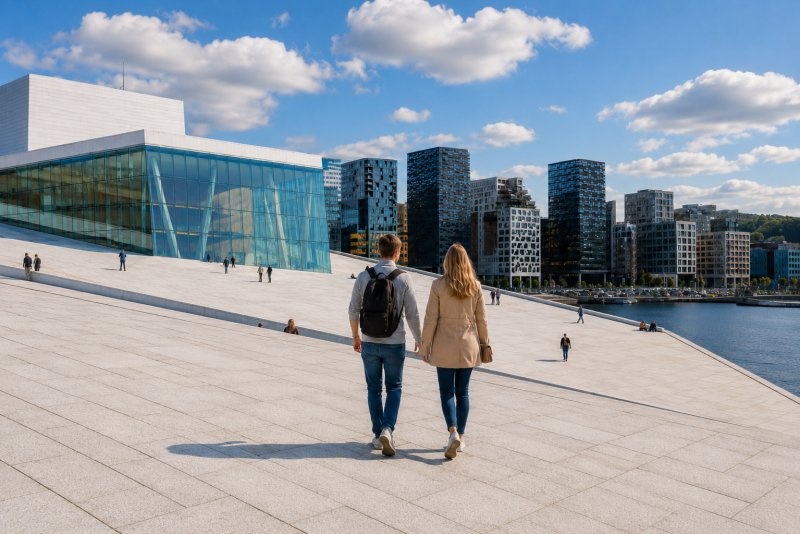
The Oslo Opera House is one of the city’s most famous modern landmarks. Its sloping white roof is designed so visitors can walk up and enjoy views over the fjord, Bjørvika, the city centre and the Barcode skyline.
This is one of the best places to begin an Oslo visit. It gives you an immediate feeling of the city’s modern waterfront identity and works especially well for first-time visitors.
Visit MUNCH and the National Museum
Oslo has become one of the most important art and culture cities in Scandinavia. MUNCH is dedicated to Edvard Munch and includes works connected to one of the world’s most famous paintings, The Scream. The National Museum is also a major cultural attraction, bringing together art, architecture and design.
For travellers who enjoy museums, Oslo is an excellent destination. The cultural attractions are easy to combine with waterfront walks, restaurants and hotel stays because several of the main sights are located close to the city centre and harbour areas.
Explore the Oslofjord
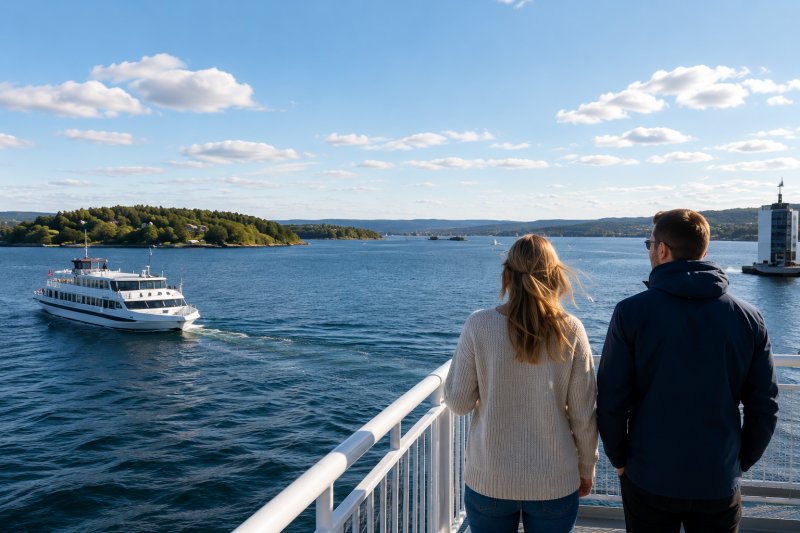
The Oslofjord is one of the main reasons Oslo feels so different from many other capitals. You can enjoy the fjord from the waterfront, take a boat trip, visit islands, swim in summer or simply sit by the harbour and watch the city meet the sea.
In warmer months, island hopping is one of the best Oslo experiences. In winter, the fjord still gives the city a fresh and atmospheric feeling, especially when combined with saunas, museums and cosy restaurants.
Try a Floating Sauna
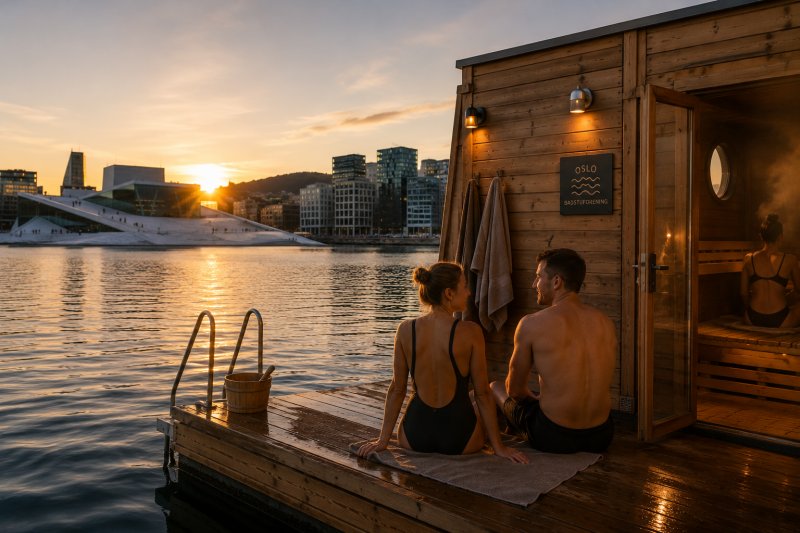
Floating saunas have become one of Oslo’s most memorable experiences. Along the waterfront, visitors can combine hot sauna sessions with a refreshing dip in the fjord. It is a very Nordic experience and works especially well for couples, friends or anyone who wants something different from a normal city break.
A sauna visit can be enjoyable all year round. In summer, it feels social and refreshing. In winter, the contrast between warm sauna and cold fjord makes it even more memorable.
Walk Through Vigeland Sculpture Park
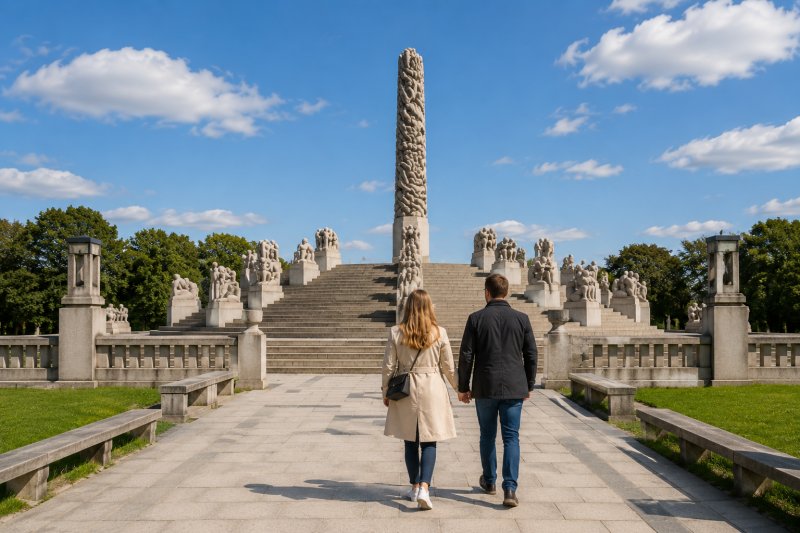
Vigeland Sculpture Park is one of Oslo’s most famous outdoor attractions. It is located in Frogner Park and is known for its large collection of sculptures by Gustav Vigeland.
The park is a good place to slow down during an Oslo stay. It works well in every season: green and open in summer, colourful in autumn and calm and atmospheric in winter.
Visit Akershus Fortress
Akershus Fortress gives Oslo a sense of history. Located close to the harbour, it offers old stone walls, views toward the fjord and a strong contrast to the modern architecture of Bjørvika and Aker Brygge.
It is a good stop during a walk through the city centre and works well together with the harbour promenade, City Hall, Aker Brygge and the waterfront.
Discover Aker Brygge and Tjuvholmen
Aker Brygge and Tjuvholmen are among Oslo’s best areas for waterfront restaurants, harbour walks, galleries, hotels and fjord views. This is a great area for an evening meal, a relaxed drink or a scenic walk by the water.
For a romantic Oslo escape, this area works especially well. It feels modern, stylish and close to the fjord, with restaurants and hotels within easy walking distance.
Explore Grünerløkka
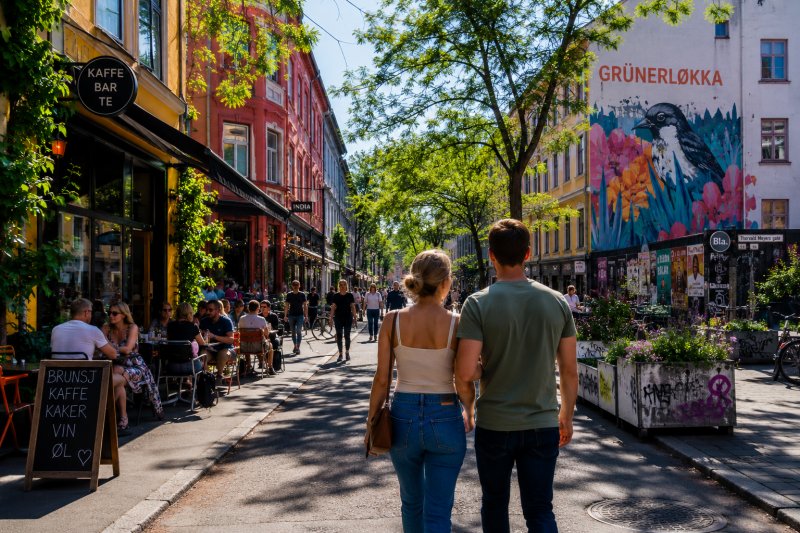
Grünerløkka is one of Oslo’s most popular neighbourhoods for cafés, bars, vintage shops, restaurants, street life and a more local atmosphere. It is a good contrast to the polished waterfront areas and gives visitors a more creative side of the city.
This is a great area for coffee, casual dining, independent shops and evening drinks. It suits travellers who want Oslo to feel relaxed, social and less formal.
Visit Bygdøy Museums
Bygdøy is a peninsula with several of Oslo’s best-known museums and a calmer, greener atmosphere. It is a good area for travellers interested in Norwegian history, maritime heritage, polar exploration and traditional culture.
A trip to Bygdøy can feel like a small excursion within the city. It is especially good if you have more than two days in Oslo.
See Holmenkollen
Holmenkollen is one of Oslo’s most iconic viewpoints and is strongly connected to Norwegian skiing culture. From the area, you can enjoy views over the city, fjord and surrounding forest.
It is a good option for travellers who want to see a more elevated and nature-focused side of Oslo. In winter, it feels especially Norwegian. In summer and autumn, it is still worth visiting for the views and fresh air.
Best Areas to Stay in Oslo
Bjørvika
Bjørvika is one of the best areas for first-time visitors who want modern Oslo. You are close to the Opera House, MUNCH, the Deichman library, the waterfront, restaurants and public transport.
It is ideal for travellers who want a stylish, convenient and walkable base.
Aker Brygge and Tjuvholmen
Aker Brygge and Tjuvholmen are excellent for travellers who want a more premium waterfront stay. The area has restaurants, harbour views, galleries, hotels and an elegant evening atmosphere.
It is especially good for couples and gift stays where the hotel experience and surroundings should feel special.
Oslo City Centre
The city centre is practical and convenient, especially if you want to be close to Karl Johans gate, Oslo Central Station, shopping, restaurants and transport. It is a strong choice for short stays.
Grünerløkka
Grünerløkka is a good choice for travellers who prefer cafés, bars, local restaurants and a younger, more creative atmosphere. It is less polished than the waterfront but full of character.
Frogner and Majorstuen
Frogner and Majorstuen are calmer, elegant and residential areas with easy access to Vigeland Park, cafés, shops and public transport. They work well for travellers who want a quieter stay but still be close to the city.
Food in Oslo
Oslo has a strong and growing food scene. The city offers everything from traditional Norwegian flavours to modern Nordic restaurants, seafood, food halls, bakeries, coffee shops and international dining.
Foods and experiences to try include fresh seafood, salmon, shrimp, cod, Norwegian waffles, cinnamon buns, brown cheese, open sandwiches, modern Nordic tasting menus and casual meals at food halls such as Mathallen or waterfront food spots.
For a relaxed meal, Grünerløkka, Vulkan, Aker Brygge, Bjørvika and Tjuvholmen are good areas to explore. For a special evening, choose a restaurant by the fjord or a modern Nordic restaurant with seasonal ingredients.
When Is the Best Time to Visit Oslo?
Oslo can be visited all year round, but the experience changes a lot with the seasons.
Summer is the most popular time for fjord walks, island hopping, outdoor dining, swimming, saunas and long bright evenings. Spring is fresh and pleasant, especially when the parks and waterfront areas become lively again.
Autumn is a beautiful time to visit if you like colours, museums, restaurants and a slightly calmer city atmosphere. Winter can be very atmospheric, with Christmas lights, cosy cafés, saunas, museums and access to winter landscapes.
For most visitors, the best balance is late spring, summer or early autumn. For a more Nordic and cosy experience, winter can also be a strong choice.
Is Oslo Expensive?
Yes, Oslo is generally an expensive city compared with many other European destinations. Hotels, restaurants, drinks, taxis and some activities can be costly. However, the city also offers many free or low-cost experiences, including waterfront walks, parks, viewpoints, harbour areas and outdoor attractions.
A prepaid hotel package can make Oslo easier to give as a gift because the hotel stay is already part of the experience. The recipient can then choose the dates, hotel options and activities that fit the trip best.
To keep costs under control, use public transport, walk when possible, book hotels early, combine paid museums with free outdoor sights, and enjoy casual meals at cafés, bakeries or food halls.
A Perfect Oslo Escape for Two
An Oslo escape for two is ideal for couples, friends and anyone who enjoys a mix of comfort, culture and scenery. The city feels easy to explore, but still offers enough variety for a memorable stay.
A perfect Oslo trip could include a hotel night near the waterfront, a walk on the Opera House roof, a visit to MUNCH or the National Museum, dinner at Aker Brygge or Grünerløkka, a floating sauna, and a slow morning coffee before exploring the fjord or Vigeland Park.
Oslo works well as a gift because it feels both relaxing and special. It is not only about sightseeing, but about atmosphere: clean air, good food, water views, Nordic design and time together.
Why Oslo Is Worth It
Oslo is worth visiting because it offers something many capitals cannot: culture, architecture, food, fjord and nature in one compact city. It is modern without feeling stressful, scenic without being remote, and cultural without being difficult to plan.
For a hotel escape, Oslo gives the recipient many ways to shape the trip. It can become romantic, cultural, relaxing, active, food-focused or nature-inspired.
Whether the stay is built around museums, restaurants, saunas, fjord views or simply a beautiful hotel weekend, Oslo makes a short escape feel fresh and memorable.
Frequently Asked Questions About Oslo
How many days do you need in Oslo?
For most first-time visitors, 2 to 3 days is enough to enjoy Oslo well. In two days, you can see the Opera House, Bjørvika, MUNCH or the National Museum, Aker Brygge, Akershus Fortress and Vigeland Park.
With 3 days, you can add the Oslofjord, Bygdøy museums, Grünerløkka, Holmenkollen or a floating sauna without rushing.
What is Oslo known for?
Oslo is known for the Oslofjord, modern waterfront architecture, the Oslo Opera House, MUNCH, the National Museum, Vigeland Sculpture Park, Akershus Fortress, Holmenkollen, floating saunas, Nordic design and easy access to nature.
It is also known for combining city life with fjord, forests and outdoor culture.
When is the best time to visit Oslo?
The best time to visit Oslo is usually from late spring to early autumn, especially May to September. This is when the city is best for fjord walks, island hopping, outdoor dining, parks and long evenings.
Winter is also a good time if you want a cosy Nordic city break with museums, saunas, Christmas lights and winter atmosphere.
Is Oslo expensive?
Yes, Oslo is expensive compared with many European cities. Hotels, restaurants, drinks and taxis can cost more than visitors expect. However, Oslo is also easy to enjoy with a mix of free attractions, walking routes, parks, waterfront areas and public transport.
Booking early and choosing the right area to stay can help keep the trip more affordable.
What is the best area to stay in Oslo?
For first-time visitors, Bjørvika, the city centre, Aker Brygge or Tjuvholmen are among the best areas to stay. These areas are central, scenic and convenient for sightseeing, restaurants and transport.
Grünerløkka is better for travellers who want cafés, bars and a more local atmosphere, while Frogner and Majorstuen are good for a calmer and more elegant stay.
Is Oslo good for a weekend trip?
Yes, Oslo is excellent for a weekend trip. The city is compact, walkable and easy to explore in 2 nights. A weekend can include waterfront walks, museums, restaurants, shopping, a sauna and a fjord experience.
Can you see the fjord in Oslo?
Yes, Oslo is located by the Oslofjord, and the waterfront is one of the best parts of the city. However, the Oslofjord is different from the dramatic mountain fjords of Western Norway. In Oslo, the fjord experience is more about harbour walks, islands, ferries, swimming spots, saunas, boats and relaxed seaside atmosphere.
You can enjoy the Oslofjord from areas such as Bjørvika, Aker Brygge, Tjuvholmen and Sørenga, or take a ferry to nearby islands during the warmer months.
Is Oslo a walkable city?
Yes, central Oslo is very walkable. Many of the main areas, including Bjørvika, the Opera House, MUNCH, Karl Johans gate, Akershus Fortress, Aker Brygge and Tjuvholmen, can be explored on foot.
For longer distances, Oslo also has a good public transport system.
Do you need cash in Oslo?
Usually not. Oslo is highly card-friendly, and most travellers can pay by card or mobile payment almost everywhere. It can still be useful to have a small backup, but cash is rarely needed for normal tourist spending.
What food is Oslo known for?
Oslo is known for seafood, salmon, shrimp, cod, modern Nordic cuisine, Norwegian waffles, cinnamon buns, brown cheese, coffee culture and food halls. The city also has many international restaurants and a strong modern dining scene.
Is tipping expected in Oslo?
Tipping is not expected in the same way as in countries such as the United States. Service is normally included in prices. If you receive very good service at a restaurant, rounding up the bill or leaving a small tip is appreciated, but it is not required.
100 capitals in 3 days
2 Nights Across Europe
3 Days of Dreams in Europe
Luxury Europe Collection
Weekend Escape for 2
Surprise Getaway for 2
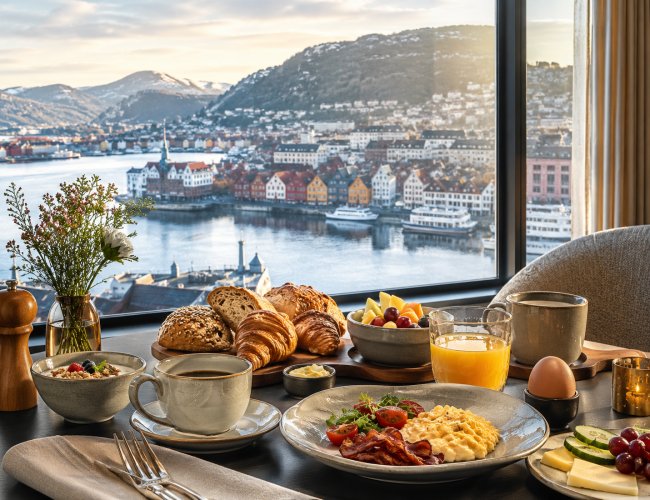
Norway Hotel Escape for two – 1 Night with Breakfast
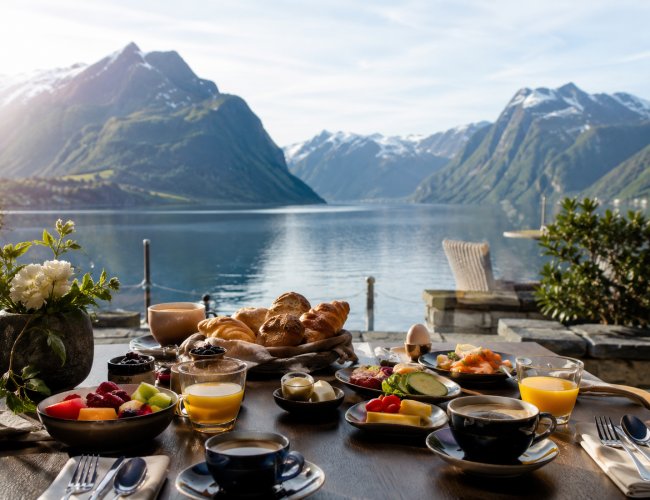
Norway Hotel Escape for two – 2 Nights with Breakfast
Scandinavia Hotel Escape for two – 1 Night with Breakfast
Scandinavia Hotel Escape for two – 2 Nights with Breakfast