
Prepaid hotel vouchers or open value travel cards at 400 000 + hotels worldwide – 4 years validity
-
 English
ENG
English
ENG
 NOR
NOR

Dublin
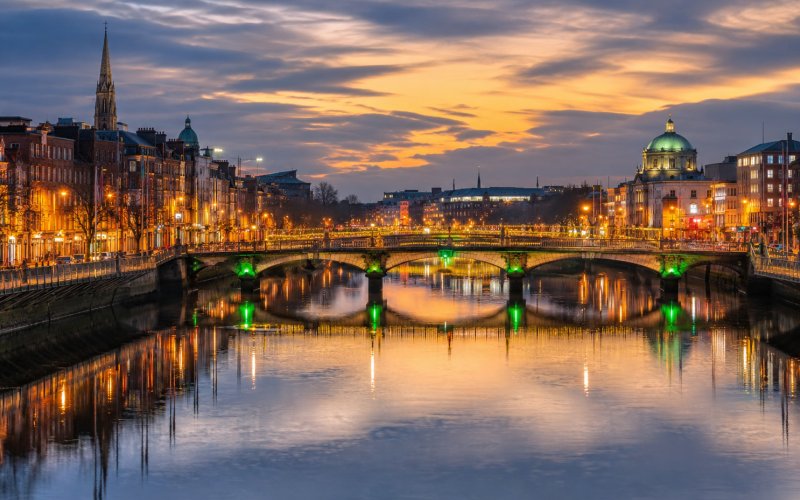
“Dublin is a city best experienced slowly, through its riverside walks, cosy pubs, historic streets and the warm welcome that makes every visit feel personal.”
Dublin: A City of Stories, Music and Warm Irish Charm
Dublin is one of Europe’s most welcoming city break destinations. The city combines historic streets, literary heritage, traditional pubs, live music, green parks, museums, riverside walks and a relaxed atmosphere that makes it easy to enjoy from the moment you arrive.
For couples, Dublin offers cosy restaurants, atmospheric streets, elegant hotels and memorable evenings in traditional pubs. For friends, it is a fun and social city with live music, guided tours, shopping, food experiences and a compact centre that is easy to explore on foot.
Whether you are visiting for a romantic escape, a weekend with friends or a cultural city break, Dublin is a destination that feels personal, friendly and full of character.
Why Visit Dublin?
Dublin is a city where the experience is as much about the atmosphere as the attractions. You can visit famous landmarks, walk through Georgian streets, listen to live Irish music, enjoy a long pub lunch, explore museums and still have time for a relaxed evening by the River Liffey.
The city is especially appealing for a short break because many of the main sights are close to each other. Dublin feels lively and international, but still easy to understand and comfortable to explore. A few days can feel full, varied and memorable.
Best Things to Do in Dublin
See Trinity College and the Book of Kells
Trinity College is one of Dublin’s most famous landmarks and a natural first stop for many visitors. The historic campus sits in the heart of the city, and the Book of Kells experience gives visitors a close connection to Ireland’s manuscript, art and literary heritage.
Visit Dublin Castle
Dublin Castle is an important part of the city’s history and gives visitors a look into Dublin’s political and cultural past. Its courtyards, state apartments and central location make it an easy and worthwhile stop during a day of sightseeing.
Experience the Guinness Storehouse
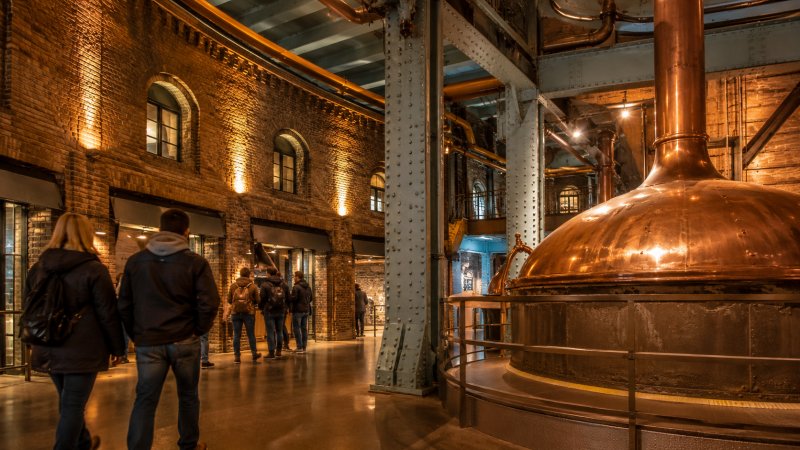
The Guinness Storehouse is one of Dublin’s most popular visitor attractions and gives a strong sense of the city’s brewing heritage. It is not only about beer, but also about Irish storytelling, design, history and the view across Dublin from the top-floor bar.
This is a good experience for couples, friends and first-time visitors who want something iconic, atmospheric and closely connected to the city.
Walk Through Temple Bar
Temple Bar is one of Dublin’s best-known areas, famous for cobbled streets, colourful pub fronts, galleries, restaurants and nightlife. It can be busy and touristy, especially in the evening, but it is still worth seeing for its energy, music and character.
Relax in St Stephen’s Green
St Stephen’s Green is a peaceful green space close to Grafton Street and many central hotels. It is ideal for a slower break between sightseeing, shopping and restaurants.
Explore the River Liffey and Dublin’s Bridges
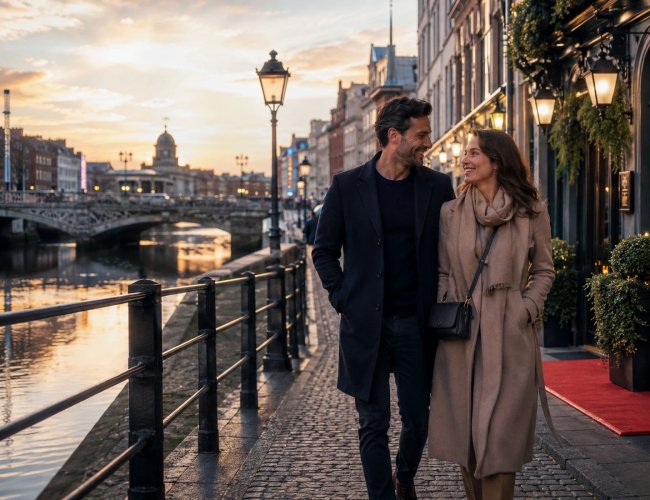
The River Liffey runs through the centre of Dublin and gives the city much of its character. A walk along the quays is one of the easiest ways to enjoy the city, especially around Ha’penny Bridge, O’Connell Bridge and the surrounding streets.
The river is especially atmospheric in the evening, when the city lights reflect in the water and the bridges create one of Dublin’s most recognisable views.
Best Areas to Stay in Dublin
Temple Bar and the Historic Centre
This is the best area for first-time visitors who want to stay close to the main sights, pubs, restaurants and nightlife. It is lively, central and convenient, but it can also be noisy in the evenings, so it suits travellers who want atmosphere more than silence.
Trinity College and Grafton Street Area
This is one of the best all-round areas to stay in Dublin. You are close to shopping, restaurants, Trinity College, St Stephen’s Green and many central attractions. It is ideal for couples, friends and visitors who want a stylish and walkable base.
St Stephen’s Green and Merrion Square
This area is elegant, central and slightly calmer than Temple Bar. It works very well for couples and travellers who want to stay near parks, museums, Georgian streets and good restaurants while still being close to the city centre.
Docklands
Dublin Docklands is a good choice for travellers who prefer modern hotels, riverside walks and a more contemporary atmosphere. It is especially suitable for returning visitors, business travellers or anyone who wants a cleaner, newer city feel close to the water.
Ballsbridge
Ballsbridge is a more residential and upmarket area south of the city centre. It is a good option for travellers who want a quieter stay, larger hotels, leafy streets and good transport connections into central Dublin.
Smithfield and The Liberties
Smithfield and The Liberties suit travellers who want a more local and creative side of Dublin. This area gives easy access to the Jameson Distillery, Guinness Storehouse and a growing mix of cafés, restaurants and bars.
Food and Drink in Dublin
Dublin is a strong city for food lovers, especially if you enjoy cosy pubs, modern Irish cooking, seafood, bakeries, cafés and relaxed restaurants. The city has everything from traditional pub meals to stylish dining rooms and food markets.
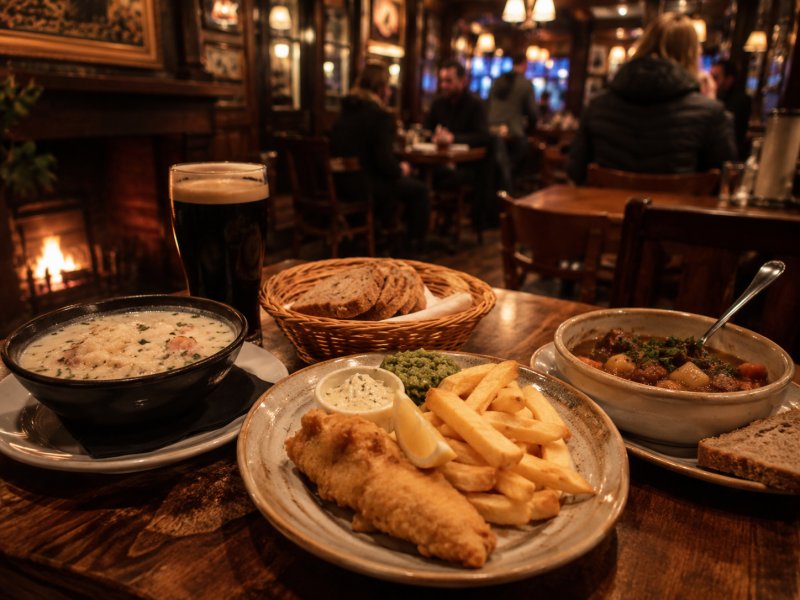
Typical things to try include Irish stew, seafood chowder, soda bread, fish and chips, oysters, smoked salmon, boxty and a full Irish breakfast. A traditional pub lunch can be a simple and memorable part of the trip, while Dublin’s newer restaurants show a more modern side of Irish food.
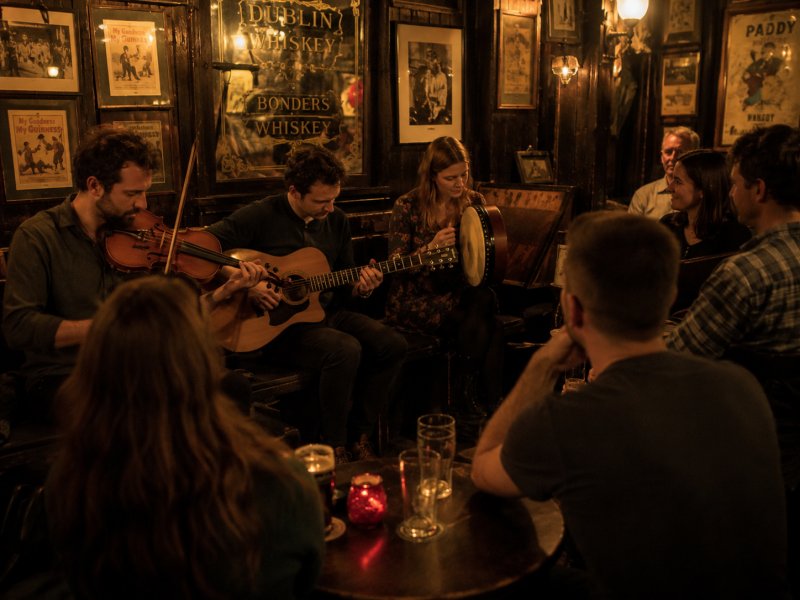
For drinks, Dublin is strongly connected with Guinness, whiskey and pub culture. A traditional music pub can be one of the most memorable experiences in the city, especially for first-time visitors.
Activities and Experiences in Dublin
Join a Walking Tour
A guided walking tour is one of the best ways to understand Dublin quickly. It can bring together history, literature, politics, architecture and local stories in a way that makes the city more meaningful.
Listen to Live Irish Music
Live music is one of Dublin’s strongest experiences. Many pubs host traditional sessions, and even a simple evening with music can become one of the highlights of the trip.
Visit EPIC The Irish Emigration Museum
EPIC is a modern museum experience that tells the story of Irish emigration and the global Irish identity. It is a good choice for visitors who want something interactive, emotional and connected to Ireland’s wider history.
Take a Whiskey or Brewery Experience
Dublin is a great city for whiskey and brewery experiences. The Guinness Storehouse and Jameson Distillery Bow St. are among the most popular options and work well for couples, friends and groups.
Take a Day Trip from Dublin
If you have extra time, Dublin is also a good base for day trips. Popular options include Howth, Malahide Castle, Glendalough, Wicklow or even longer tours to the Cliffs of Moher. For a short stay, Howth or Malahide are easier choices because they give a change of scenery without taking the whole day.
Shopping in Dublin
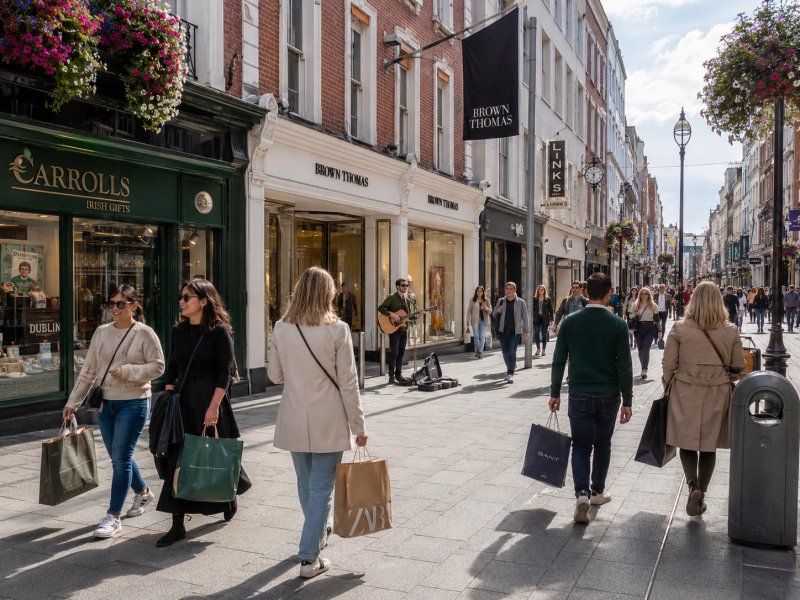
Grafton Street is one of the best-known shopping streets in Dublin and is ideal for first-time visitors. The surrounding streets offer a mix of international brands, Irish design, cafés and street performers.
Henry Street is another central shopping area, while George’s Street Arcade and smaller independent shops are good for gifts, local products and something a little more personal.
When Is the Best Time to Visit Dublin?
Dublin can be visited all year, but spring and early autumn are often especially good choices. The city is lively, the weather is usually manageable, and there are often fewer crowds than in the peak summer period. Guinness Storehouse travel guidance also highlights spring and autumn as good times to explore Dublin, with moderate temperatures and fewer crowds.
Summer is popular because of longer days and a busy festival atmosphere, but accommodation prices can be higher. Winter can be cosy, especially if you want pubs, shopping, museums and Christmas atmosphere rather than long days outdoors.
Is Dublin Expensive?
Dublin is not usually a cheap city break, especially for hotels, restaurants and drinks. Current cost data suggests that an inexpensive restaurant meal is around €20, while a three-course mid-range dinner for two is around €90 without drinks. A domestic draught beer is around €7 on average.
That means Dublin is best seen as a mid-to-upper-range European city break. You can still manage costs by choosing casual restaurants, staying slightly outside the busiest areas, visiting free museums and walking between attractions.
Is Dublin Safe?
Dublin is generally safe for tourists, especially in the main central areas during normal sightseeing hours. Like in other capital cities, visitors should use normal precautions: keep valuables secure, avoid carrying too much cash, take care late at night, and be aware of pickpocketing or bag-snatching in busy areas. UK travel advice for Ireland specifically recommends precautions against bag-snatching and pickpocketing, especially in larger cities.
Temple Bar and other nightlife areas can be lively late in the evening, so it is smart to stay aware, travel with others when possible, and use taxis or public transport if you are returning late.
Why Dublin Is Worth It
Dublin is a city that feels warm, social and full of character. It has famous attractions, but its real strength is the way history, music, literature, pubs, food and friendly city life come together in a compact and enjoyable destination.
Whether you are planning a romantic escape, a fun trip with friends, a cultural city break or a relaxed few days in Ireland, Dublin is a destination that feels easy to enjoy and easy to remember.
Frequently Asked Questions About Dublin
When is the best time to visit Dublin?
The best time to visit Dublin is usually spring or early autumn, especially April to June and September to October. These months often give a good balance of pleasant sightseeing weather, city atmosphere and fewer crowds than peak summer. Summer is also popular because of long days, but it can be more expensive.
How many days do you need in Dublin?
For most first-time visitors, 2 to 3 full days is a good amount of time in Dublin. This gives enough time to see Trinity College, Dublin Castle, Temple Bar, the River Liffey, St Stephen’s Green, the Guinness Storehouse and a few pubs or restaurants without rushing too much. If you want a day trip to Howth, Wicklow or the Cliffs of Moher, 4 days is better.
What do you need to travel to Dublin?
Most European travellers need a valid passport or accepted travel document. Ireland is not part of the Schengen Area, so travellers should check Ireland’s own entry rules before travelling. EEA nationals do not require a visa to enter Ireland, according to Irish immigration guidance.
What does dinner cost in Dublin?
A casual restaurant meal in Dublin is around €20 per person on average. A mid-range three-course dinner for two is around €90 without drinks, based on current cost-of-living data. Prices can be higher in very central or tourist-heavy areas.
Is Dublin safe?
Yes, Dublin is generally safe for tourists, especially in the main central areas. Visitors should still use normal city precautions, particularly in busy streets, nightlife areas and public transport. Keep valuables secure and be aware of pickpocketing or bag-snatching in crowded places.
When is it cheapest to travel to Dublin?
Dublin is often cheaper outside peak summer and major event periods. January, February, November and parts of early December can be better for lower hotel prices, while spring and autumn can offer a good balance between price, weather and atmosphere. Avoid major weekends, big concerts, rugby weekends and St Patrick’s Day if price is the main priority.
What food is Dublin known for?
Dublin is known for classic Irish pub food, seafood chowder, Irish stew, soda bread, fish and chips, oysters, smoked salmon and full Irish breakfast. The city also has a growing modern food scene with cafés, bakeries, casual restaurants and fine dining.
Where should first-time visitors stay in Dublin?
First-time visitors usually do well around Trinity College, Grafton Street, St Stephen’s Green or the historic centre. These areas are central, walkable and close to many of Dublin’s main sights, restaurants and shopping streets.
Is Temple Bar a good place to stay?
Temple Bar is a good place to stay if you want nightlife, pubs and a very central location. However, it can be noisy, especially at weekends and late in the evening. For a calmer stay, the Trinity College, St Stephen’s Green or Merrion Square areas may be better.
Can Dublin be done as a weekend trip?
Yes, Dublin works very well as a weekend trip. With two nights, you can see several main sights, enjoy traditional pubs, walk along the River Liffey, visit Trinity College and fit in one major attraction such as the Guinness Storehouse or Dublin Castle.
Make the realistic top image A realistic wide photo of Dublin at golden hour or early evening, with the River Liffey, illuminated bridges, classic Georgian buildings and warm city lights reflected in the water. The image should feel inviting, atmospheric and perfect for a city break.Thought for 54s
Dublin Escape for 2